



• Skip to primary navigation
  • Skip to main content
  • Skip to primary sidebar

Nourished

  • Home
  • Recipes
  • Book Reviews
  • Restaurants
    • 3 Michelin Stars
    • 2 Michelin Stars
    • 1 Michelin Star
  • Journal
    • Art Journal
    • The Renaissance Diary
  • About
    • Contact Me
    • Instagram
    • Loves
    • Suppliers
    • Masterchef Links

The Eleven Madison Park Granola

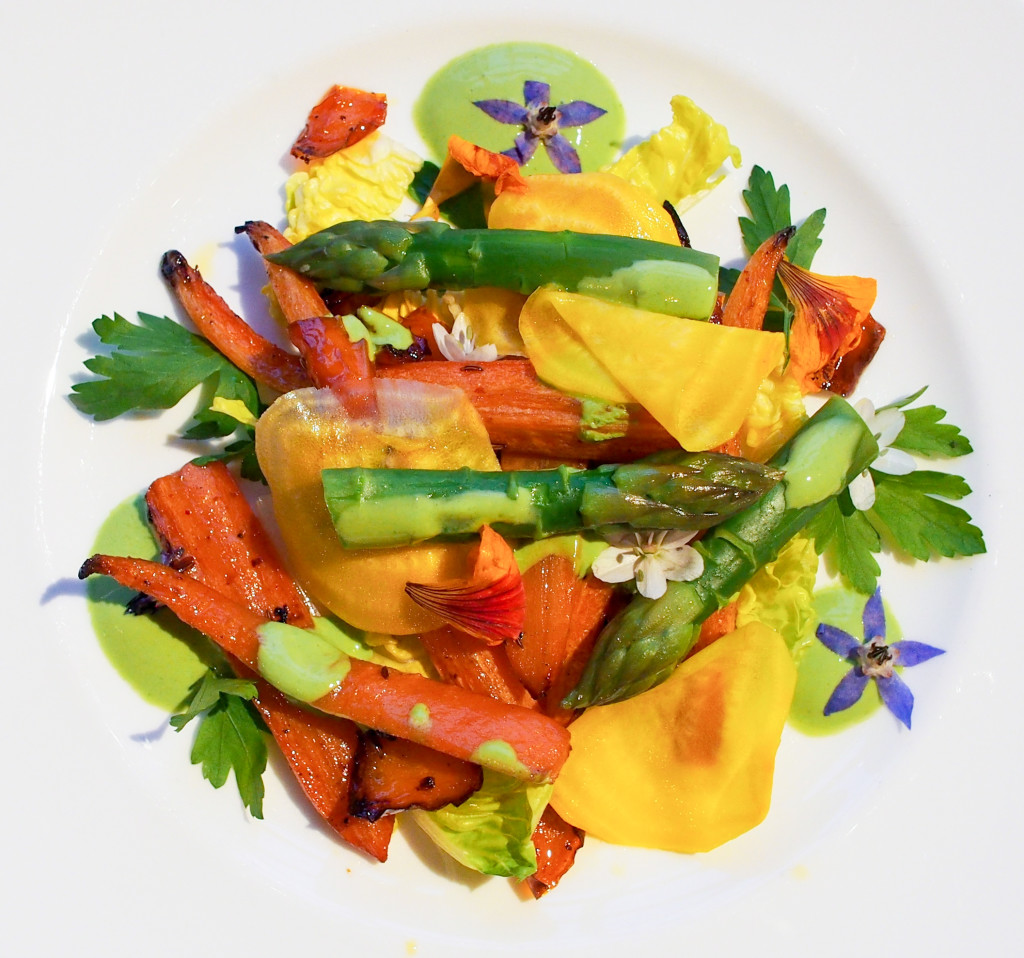
Warm spring salad, with a wild garlic dressing

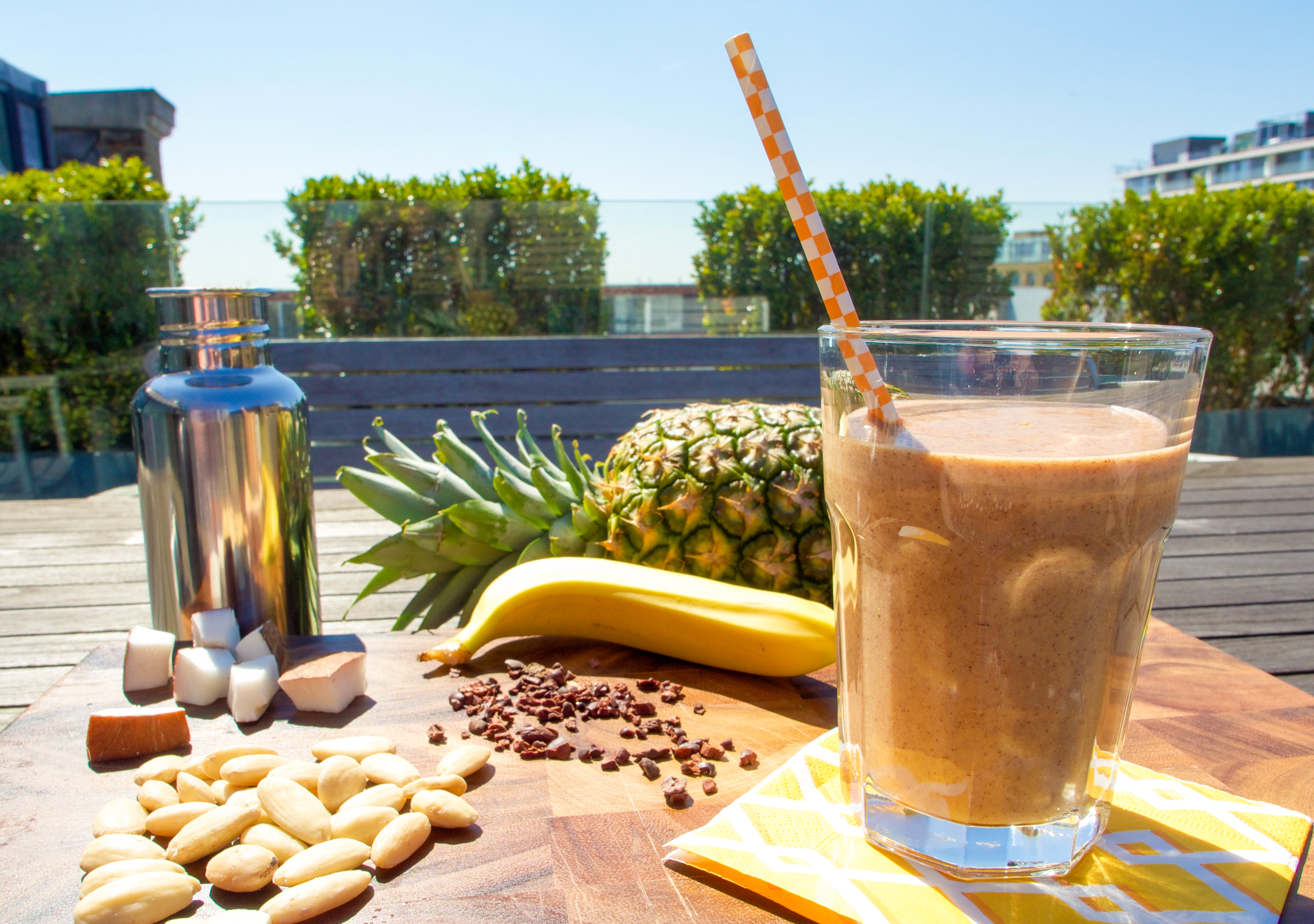
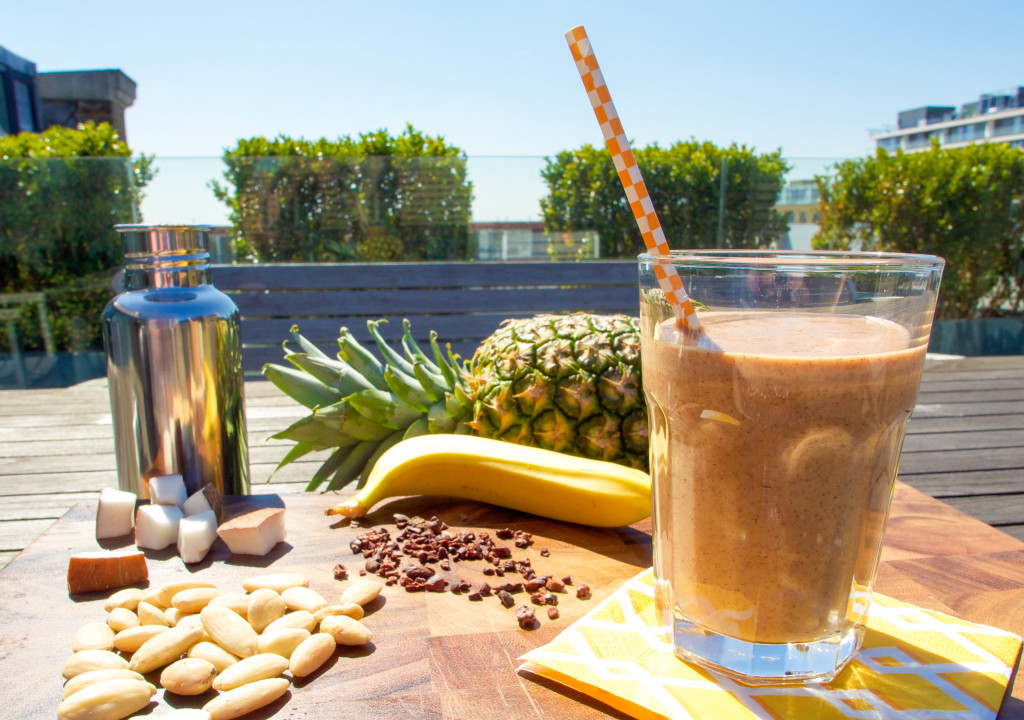
Antioxidant Rich Smoothies

Recent Vegetarian Recipes

Warm spring salad, with a wild garlic dressing

Antioxidant Rich Smoothies

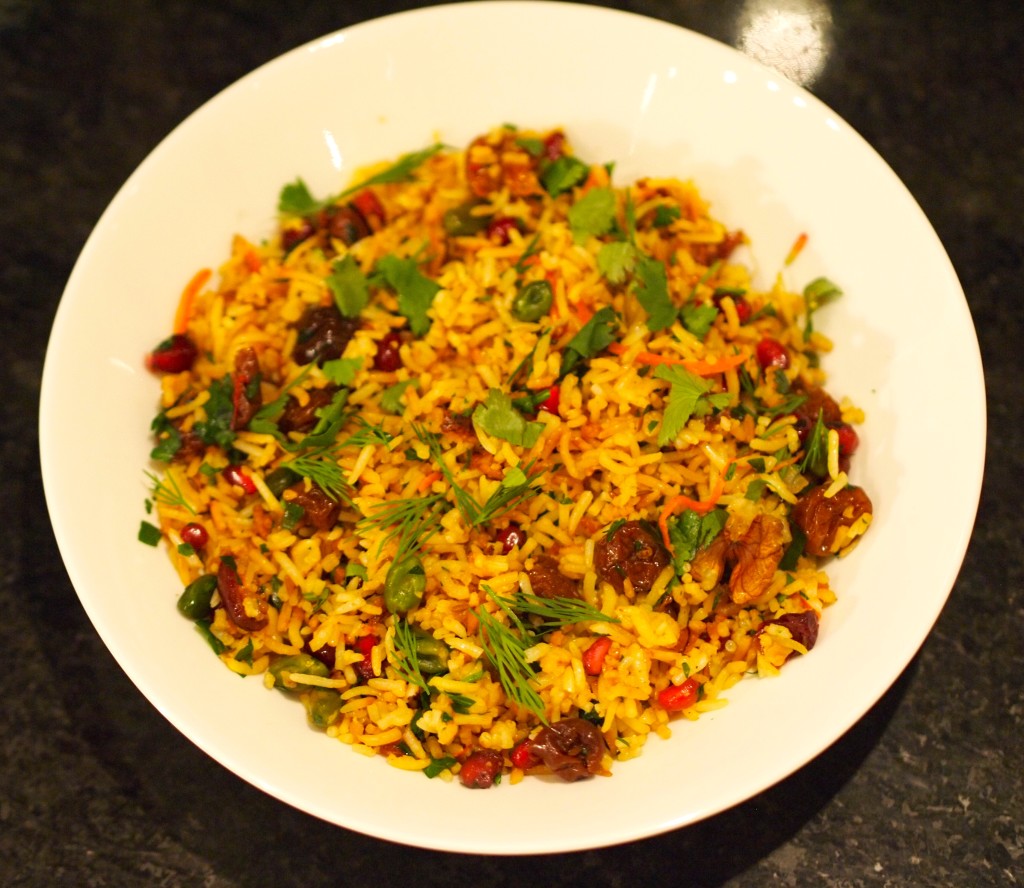
Saffron Jewelled Rice

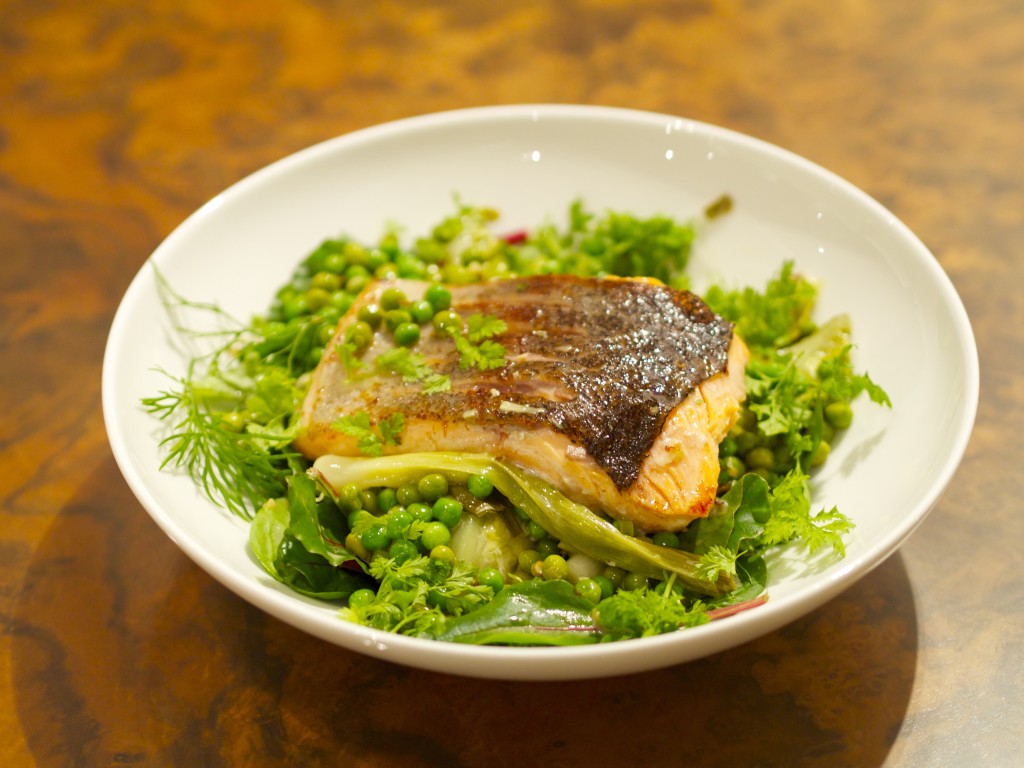
Braised lettuce, with spring onions and peas

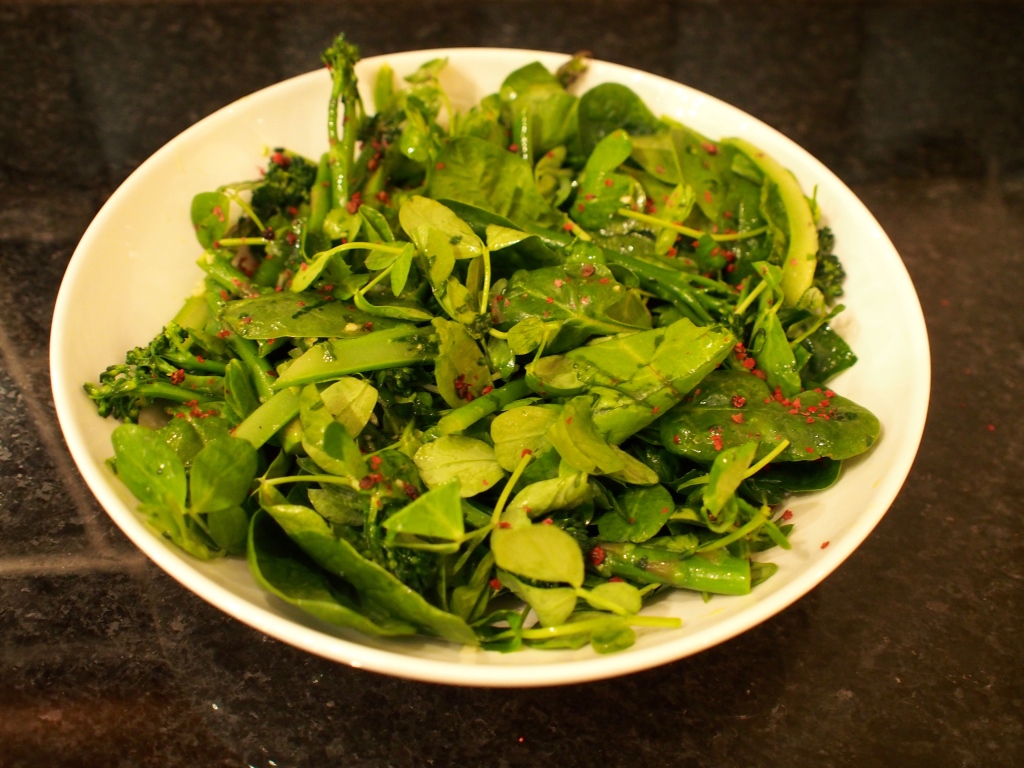
Pink Peppercorn Salad

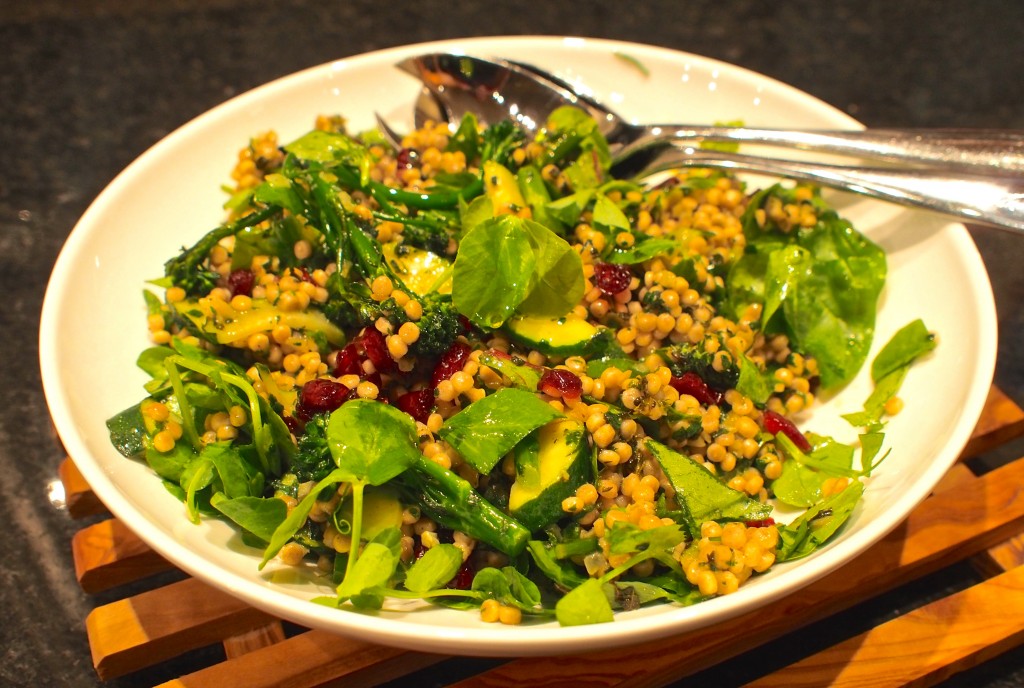
Giant couscous, vegetables, herbs, pea-shoots

Get your bake on…

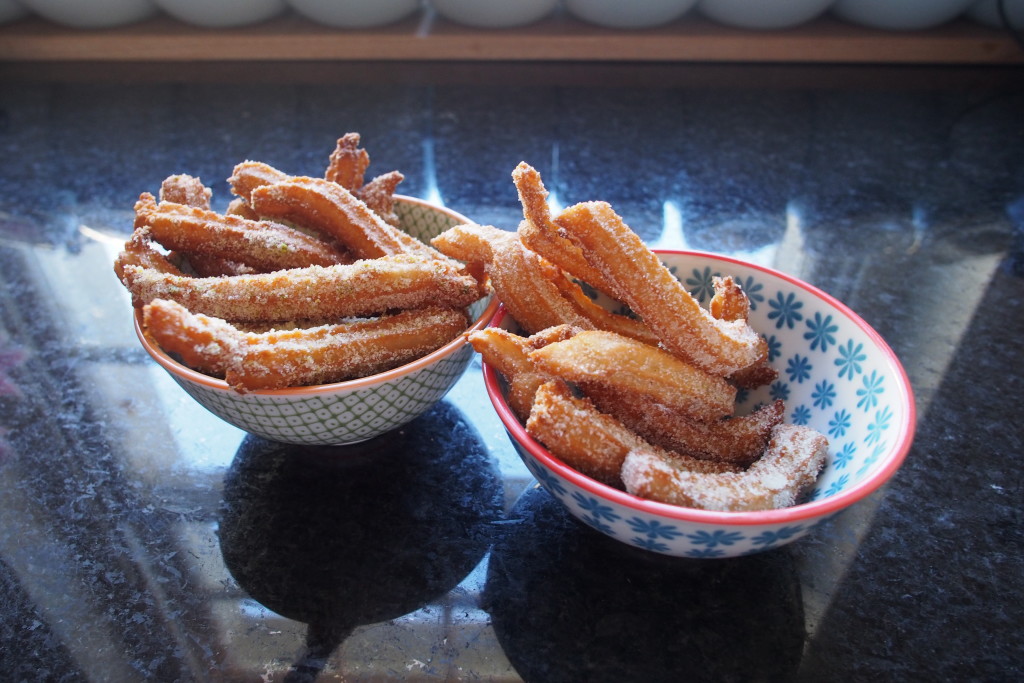
Churros, with Pistachio and Cardamom Sugar

French Apple Tart…

Tamarillo Tart Tatin

Pain Perdu, Pineapple and Coconut

The Meringue Girls Meringue Kisses…

Orange and Cranberry Scones

Where to Eat…

Le Bernardin, New York

Midsummer House, Cambridge

Corrigan’s, Mayfair

Angler, Moorgate

Alyn Williams, Mayfair

Fera, at Claridges

A Few Thermomix Recipes

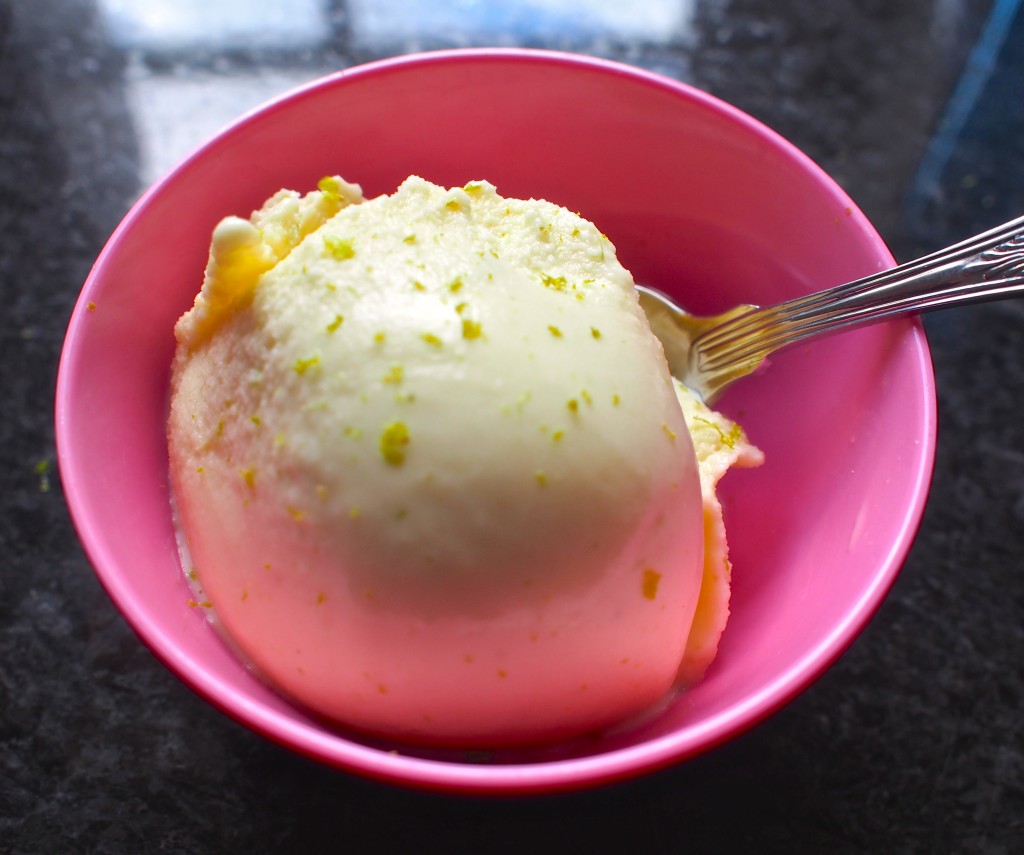
Coconut Cream Ice-Cream, with Lime Zest [Thermomix]

Coconut Milk Creme Patisserie

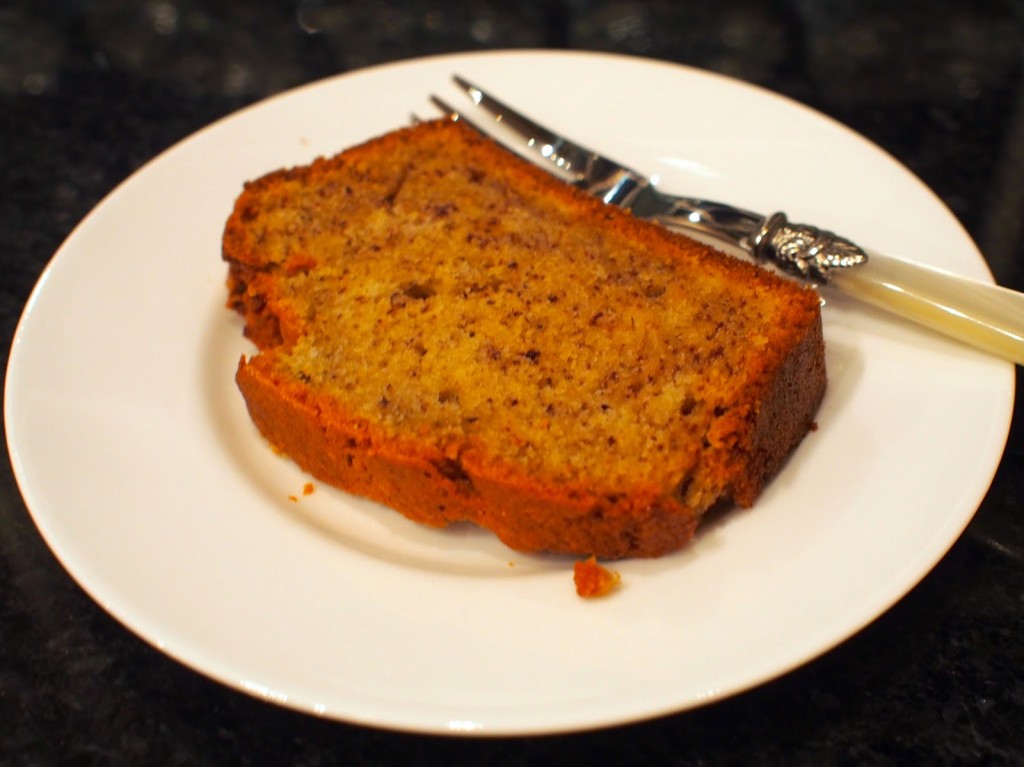
Banana Bread [Thermomix]

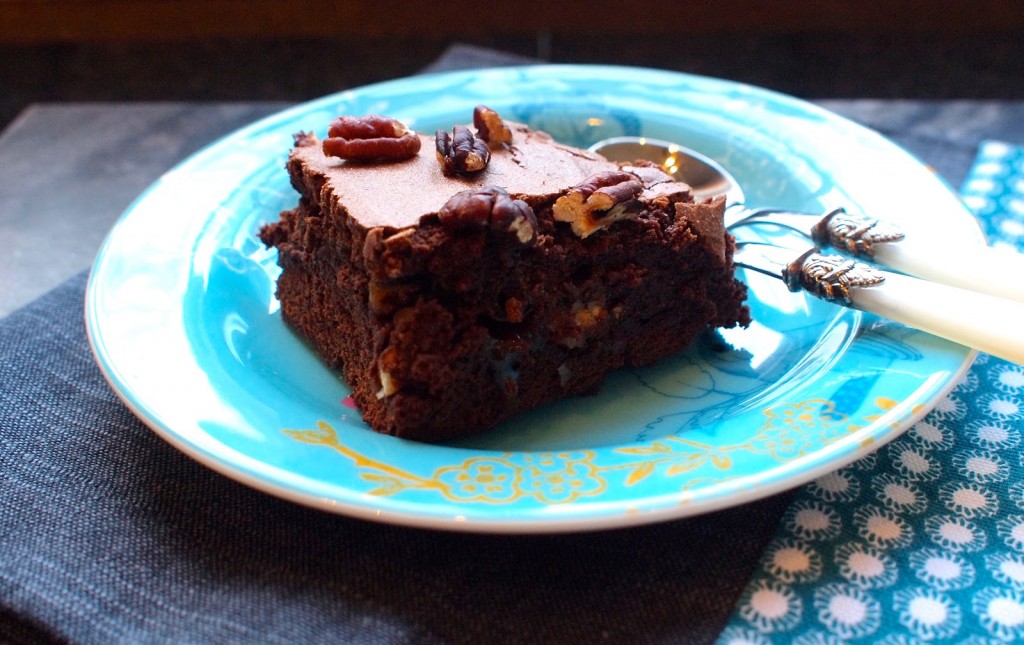
Pecan and Salted Caramel Brownies

Heston Blumenthal's perfectly poached egg

Eggs Benedict and Heston Blumenthal’s Perfectly Poached Eggs

Thermomix Sauces: Béarnaise

April 21, 2013 Recipe

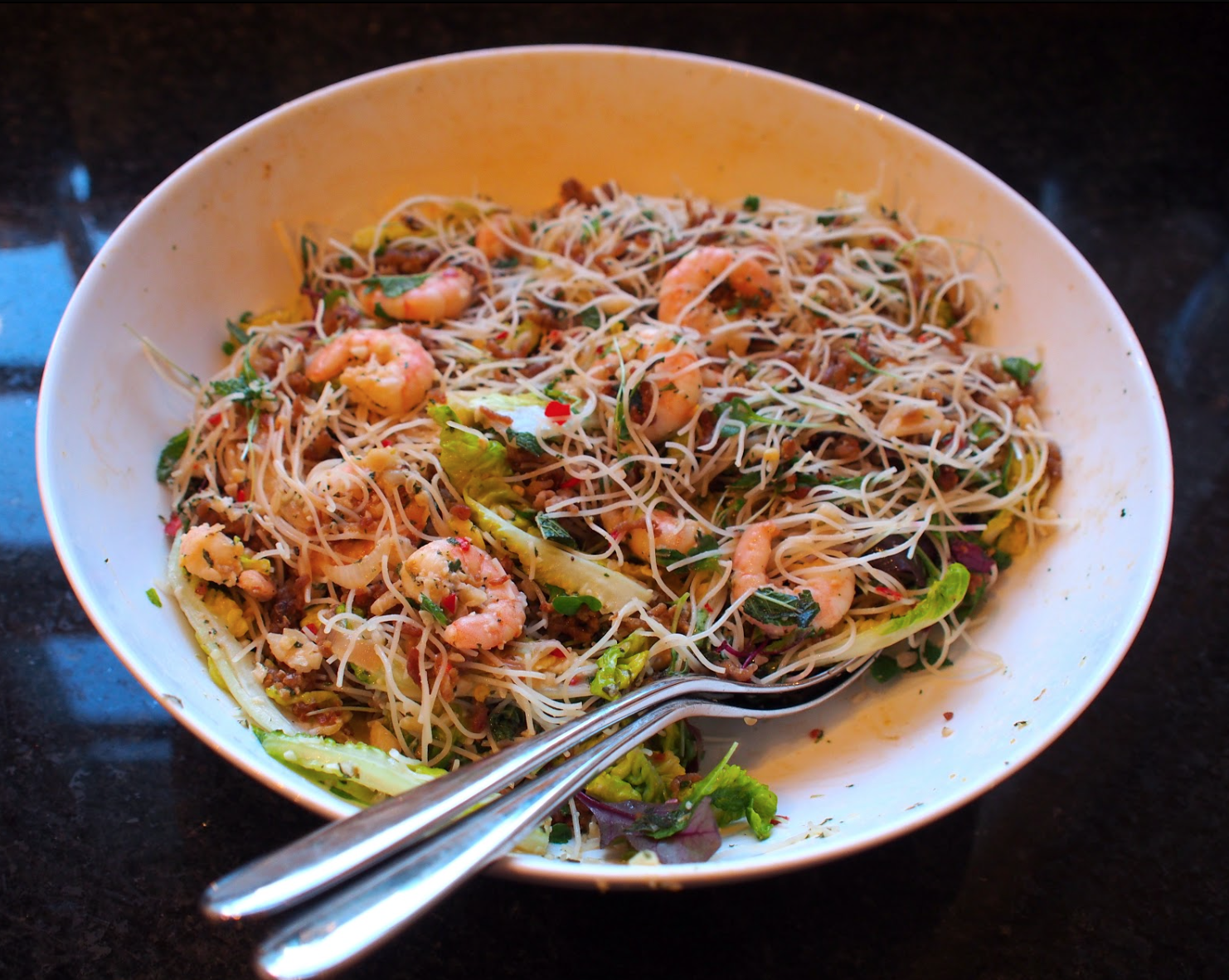
Prawns, Pork and Squid Noodle Salad

Noodle SaladThe sun is coming out, and so it’s time to eat ‘cleaner’ food.  I’m a huge fan of Japanese cuisine, but there’s something very appealing in Asian noodle salads from all over the continent.  This Cambodian salad, from Rick Stein’s Far Eastern Odyssey, really hits my buttons.  Best of all, it can be made in advance – perfect for Sunday evening when you’re trying to recover from the post-Sunday lunch blow-out!

Ingredients:
vegetable oil for frying
100g shallots
200g glass noodles
200g large raw peeled prawns
200g squid, sliced into 5mm-thick rings
100g minced pork (or meatballs, see the Notes)
25g dried shrimp
3 Tbsp fish sauce
4 Tbsp lime juice
20g mint leaves
1 Tbsp palm sugar
50g peanuts
1 red bird’s eye chillies
 
Method:
  • Pour 1cm oil into a large, deep, frying-pan.  Add the shallots and fry over a medium heat until they are crisp and golden brown.  Lift them out with a slotted spoon onto plenty of kitchen paper and leave to drain.  Reserve the frying oil.
  • Bring a large pan of unsalted water to the boil, add the noodles, take the pan off the heat and leave them to soak for 2 minutes.  Drain well, roughly cut the noodles into a manageable length and set aside to drain even further. If there is a lot of excess water in the noodles, place some folded sheets of kitchen paper into the bottom of a bowl and tip the noodles on top.
  • Heat 2 tablespoons of the shallot-flavoured oil in a wok or large deep frying pan, add the prawns, season lightly with salt and stir-fry for 2 minutes or until just cooked.  Lift onto a plate, add another 1-2 tablespoons oil to the pan and add the squid, season lightly with salt and stir-fry for 1-11/2 minutes until nicely caramelised.  Add to the plate with the prawns.  Finally, heat another 1-2 tablespoons il in the pan, add the minced pork and stir-fry for 1-11/2 minutes, breaking it up with a wooden spoon into small pieces as it browns.
  • Put the noodles into a large bowl and add the pork, prawns, squid, peanuts, mint, dried shrimp and chilli, and toss together well.  Mix the lime juice, sugar and fish sauce together, toss through the salad and serve at room temperature.
Notes:
  • I had to use those fresh rice noodles, but they come with an oily film over them.  I’ve tried washing it off in the past, but the result is not ideal.  I’ve tried soaking them in juice too, but it’s not much better… The easiest solution I’ve found is to toss them for a few minutes in about a tablespoon of sesame oil.  This compliments the overall dish, and adds a further level to the flavour combinations.
  • I didn’t use the squid, didn’t have any :0)
  • I found the pork mince a little… flaccid… I popped it into a hot oven for 5 minutes or so just to really give it a more roasted, and crispy edge – it much improved the texture
  • I did add some halved baby gem leaves too, for a little more texture, clearly that’s not authentic, but does improve the texture overall
  • The next time I made this, I bought mini meatballs instead, and pressed them down in the pan as I was shallow-frying them.  I then popped them into the oven for 15 minutes.  Chopped into quarters, they form a much better crunch than the mince (imho)

Noodle Salad


There are lots of other interesting recipes in Rick’s book >

April 13, 2013 3 Michelin Stars

Sant Pau, Spain

P4100885Sant Pau, the flagship of Carme Ruscalleda, is based in the small town of Sant Pol de Mar, just north of Barcelona. Right on the sea, the restaurant’s raison d’être is seasonality and local produce, though often cooked in unexpected ways.  Carme also runs a restaurant in Tokyo, and her strong Japanese influences are palpable.  When we visited, the restaurant was celebrating the 9th anniversary of the Toyko opening, and a number of dishes originated at the Tokyo San Pau.

…

Read More

April 13, 2013 2 Michelin Stars

Lasarte, Barcelona

P4110961Lasarte is the Barcelona outpost of the Basque chef Martín Berasategui, and the kitchen is run by Paolo Casagrande.  The restaurant is spaciously laid out, and the tiles on the walls replicate the Gaudi tiles on the Paseo de Gracia – a nice touch.

…

Read More

April 13, 2013 2 Michelin Stars

Moments, Barcelona

P40908681Moments, at the Mandarin Oriental Hotel, is the Barcelona outpost of Carme Ruscalleda’s Sant Pau restaurant at Sant Pol del Mar.  The kitchen is run by Carme’s son, Raül Balam, and serves Catlan food in a modern style….

Read More

April 13, 2013 2 Michelin Stars

Enoteca, Barcelona

P4080824I’m in Barcelona, it’s 20ºC on the terrace, and Femme D’Argent is blasting on my headphones – what’s not to love? Add to that an agenda that includes three 2* Michelin restaurants, and one 3*, and you know my mood is going to be relaxed, expansive, and happy…

…

Read More

April 13, 2013 Restaurant

Blanc Brasserie, Barcelona

The Blanc Brasserie is the main restaurant at the Mandarin Oriental in Barcelona, though they also have the Michelin starred Moments.

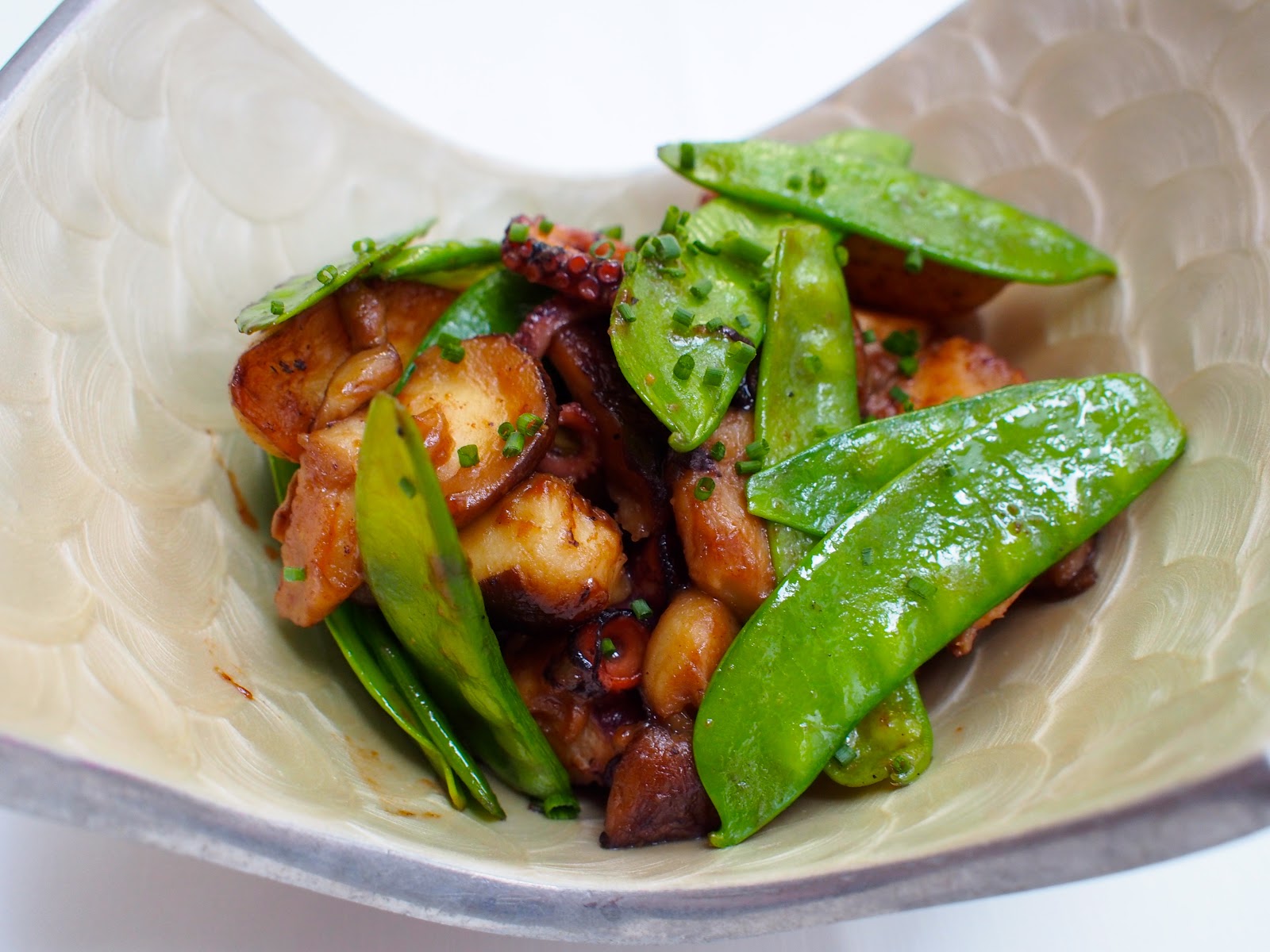
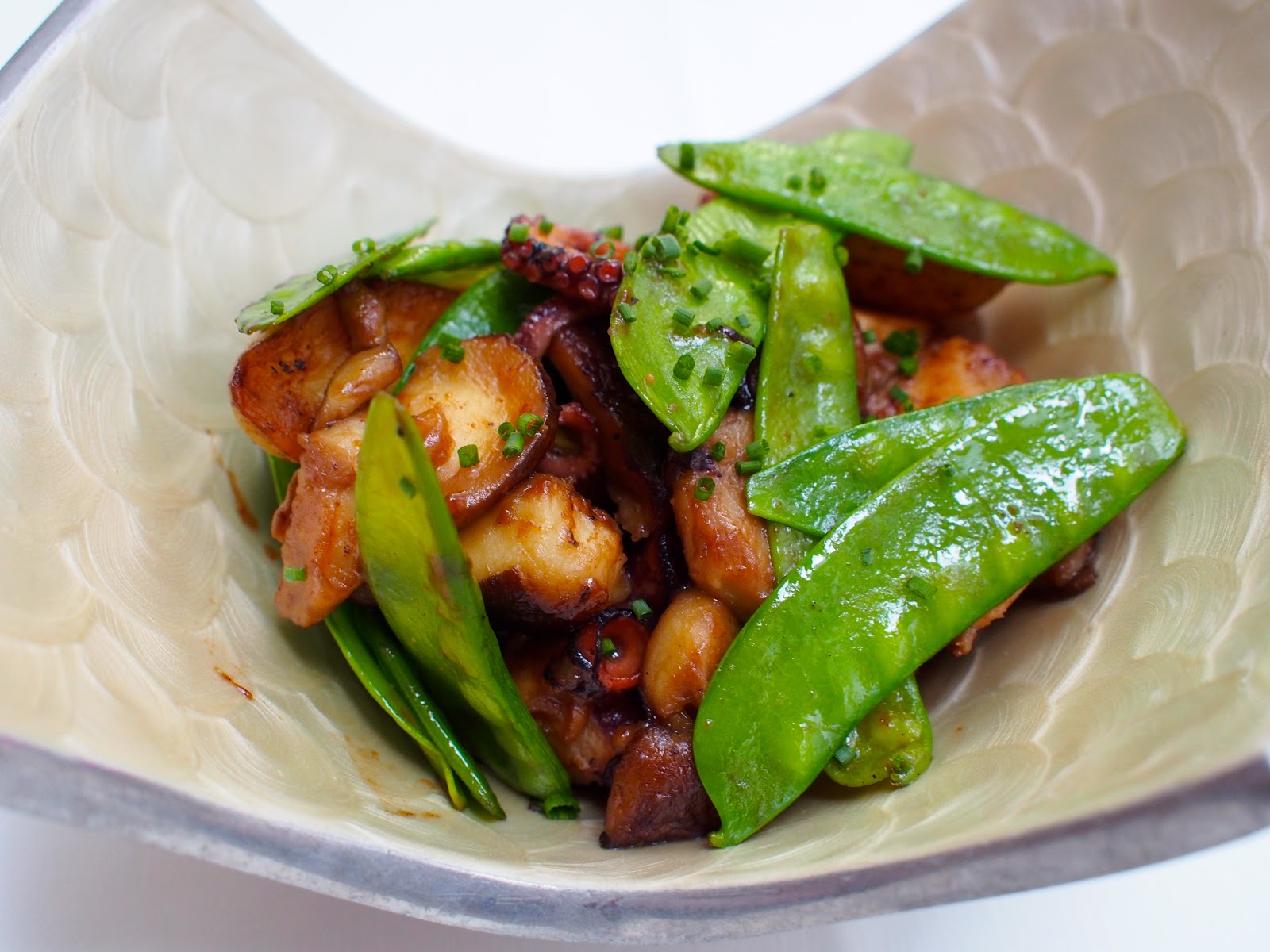
Food is well executed, and the kitchen turn out a wide variety of Catalan, Spanish and Oriental dishes.  We particularly enjoyed the miso octopus, which was succulent and tender, and I loved the inclusion of pink peppercorns in the yakitori which gave it a piquancy not usually found.

It forms a quiet oasis in the centre of the city.

Chicken yakitori
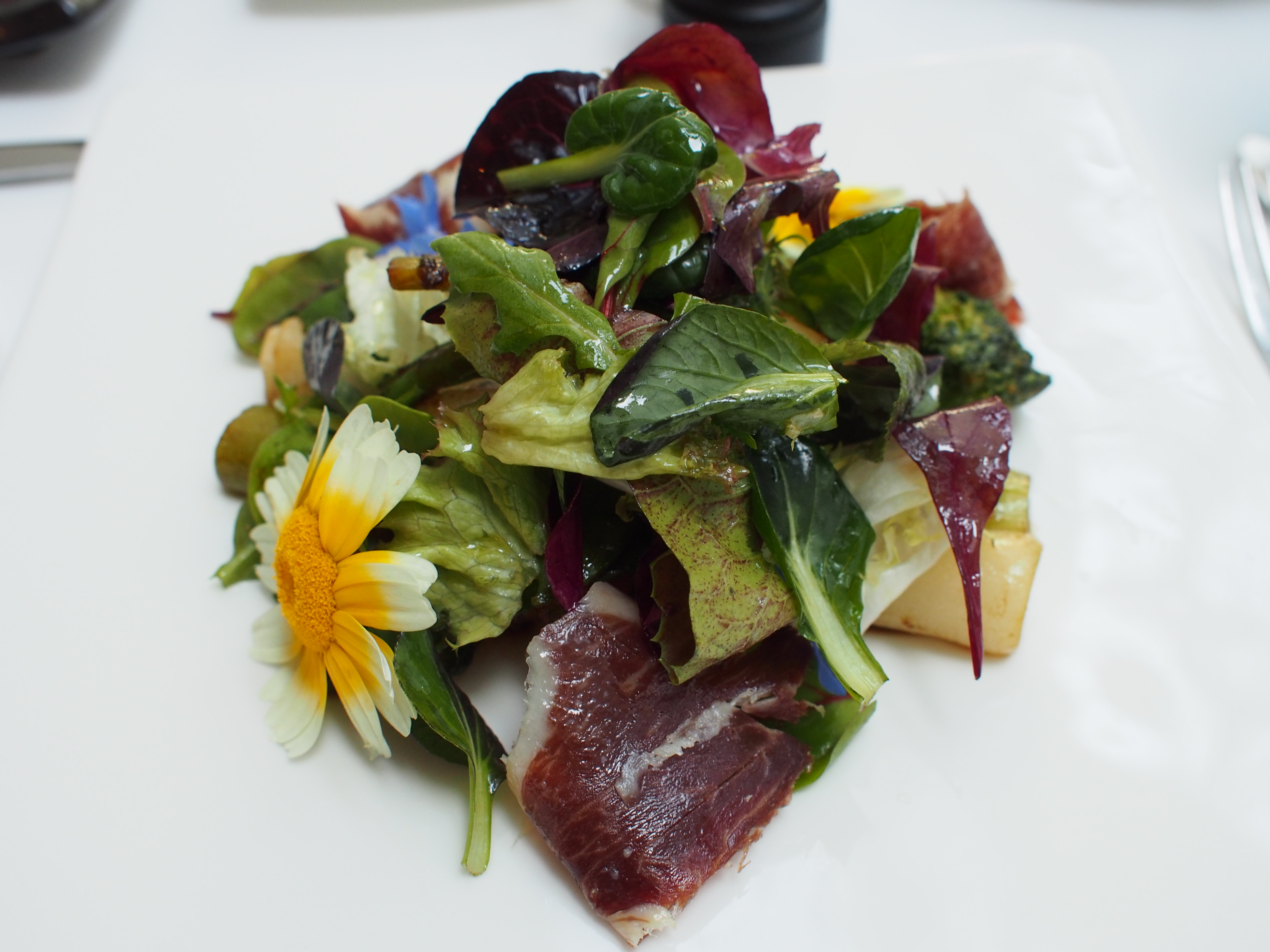
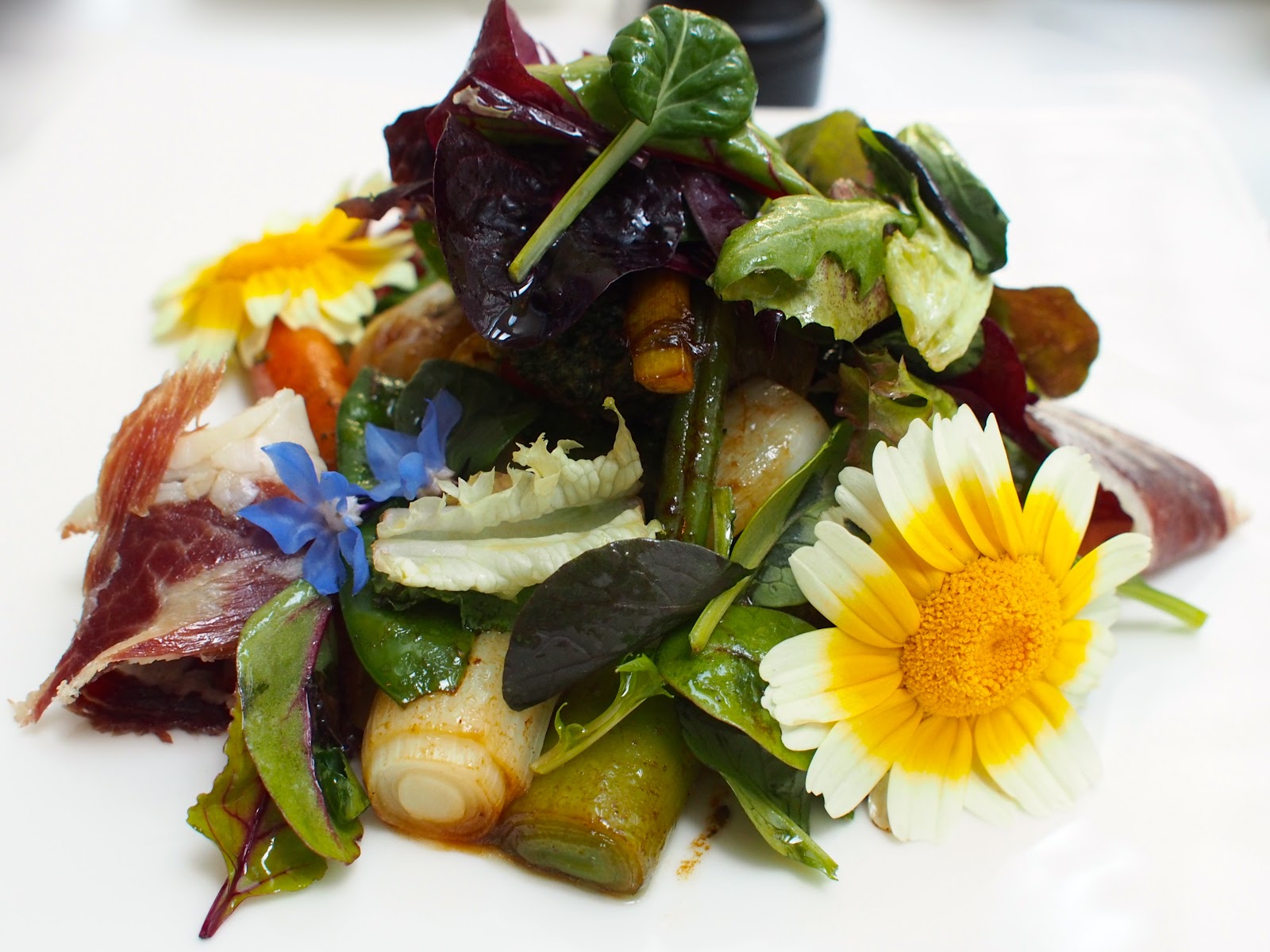
Seasonal vegetables, Iberian ham, fresh herbs and flowers

Octopus in miso, with shitake mushrooms and vegetables
Brushcetta of tomato and smoked eel
Crispy suckling pig, vermouth and shallots
Roasted fillet of sea bass, wild Venere rice, trout roe

Cardamom chocolate fondant, with yoghurt ice-cream
Peanut parfait, with raspberry and lemon thyme compote

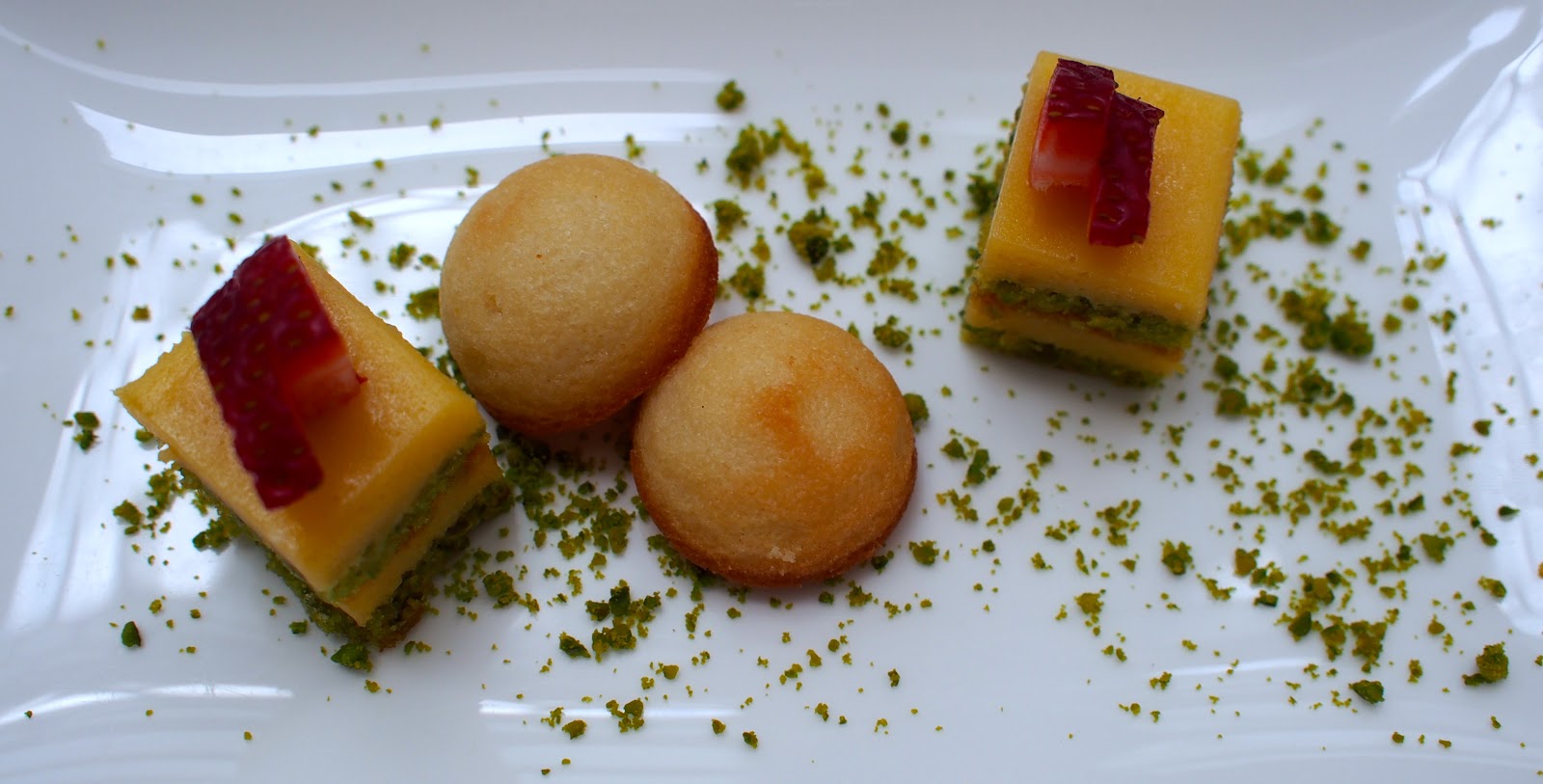
Petit Fours

Blanc Brasserie
Mandarin Oriental Hotel
Passeig de Gràcia, 38-40,
08007 Barcelona
+34 93 151 87 83

April 10, 2013 Recipe

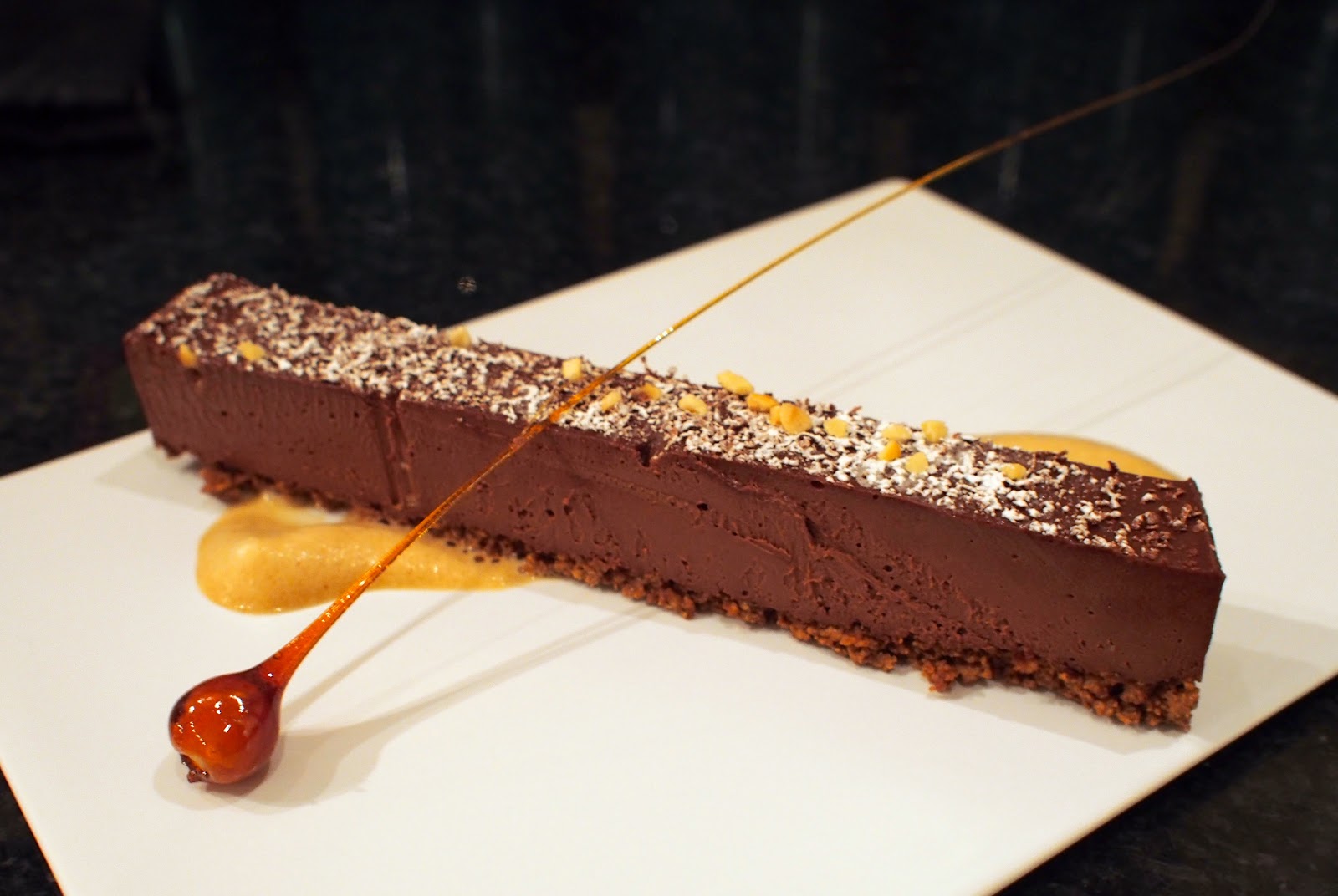
Chocolate Delice

I realise that I don’t usually pay homage to a chef when making a recipe, but the legendary Monsieur Blanc is no ordinary chef!  Nearly as important to my culinary journey as the Roux Brothers, Raymond is completely self-taught, and his Manoir aux Quat’Saisons has held two Michelin stars since 1985 – no mean feat.  As well as sharing my birthday, Raymond is a most amusing and very brave man – he served both his first and second wife a croquembouche on their wedding day…

This delice was featured on Kitchen Secrets, a most enlightening look at a number of dishes and techniques.  Every time I see an episode, I note another little detail.  You can see this particular recipe on You Tube, which certainly shows you how simple it can be.

Ingredients

For the base
100g/3½oz toasted hazelnuts
100g/3½oz caramelised sugar pieces
150g /5¼oz bran flakes, slightly crushed

For the delice
140ml/5fl oz full-fat milk
325ml/11½fl oz double cream
2 free-range eggs
340g/12oz good-quality dark chocolate, minimum 60 per cent cocoa solids, roughly chopped

For the caramel hazelnuts
125g/4½oz caster sugar
8 hazelnuts, shells removed, lightly toasted in a dry frying pan

For the coffee foam
200ml/7¼fl oz strong black espresso coffee
1 sheet gelatine, soaked in cold water for 10 minutes, drained

To serve
2-3 tbsp cocoa powder
1 tbsp freshly ground coffee beans

Preparation method

  • For the base, blend the hazelnuts and caramelised sugar pieces in a food processor until you have a smooth paste. Heat the paste in a small pan on a gentle heat until warmed through.
  • Place the bran flakes and warmed praline paste into a mixing bowl and scrunch them together, using your hands, until the bran flakes have broken down and been incorporated into the paste.
  • Line a baking tray with a sheet of greaseproof paper, then transfer the praline mixture onto it. Cover the praline mixture with a second sheet of greaseproof paper, then roll the mixture out until it measures at least 14cm x 20cm/5½in x 8in and is 0.5cm/¼in thick.
  • Remove the top sheet of greaseproof paper, then push a 14cm x 20cm x 3cm/5½in x 8in x 1¼in rectangular pastry frame down onto the praline mixture and trim off any excess. (NB: The excess praline mixture can be pressed into any gaps in the mould, if necessary.)
  • Cover the mould with greaseproof paper and chill the praline in the fridge for 30 minutes, or until set.
  • Meanwhile, for the delice, heat the milk and cream in a saucepan and heat gently over a medium heat until it just reaches boiling point.
  • Meanwhile, whisk the eggs in a bowl.
  • As the milk and cream mixture comes to the boil, pour it over the eggs, then whisk the mixture constantly until smooth and thick.
  • Stir in the chopped chocolate and whisk again until the chocolate has melted and the custard is smooth.
  • Remove the base from the fridge and pour in the chocolate delice to fill the mould. Gently tap the sides of the mould to release any trapped air bubbles, then smooth the surface using a palette knife. Chill in the fridge for 6-12 hours, or until completely set.
  • Meanwhile, for the caramel hazelnuts, heat the caster sugar in a pan over a low heat, stirring occasionally until golden-brown and caramelised. Remove from the heat and set aside to cool slightly. (NB: The caramel is cool enough when a cocktail stick dragged across its surface leaves an imprinted trail.)
  • Spear each hazelnut onto a cocktail stick, then dip the hazelnuts into the caramel until coated. Stick a little adhesive putty onto the underside of a shelf or cupboard above a worksurface and secure the cocktail stick into the putty, so that the caramel drips off the hazelnut and creates a tail. (NB: Place a baking tray or sheets of greaseproof paper underneath the hazelnuts to catch any caramel that drips.)
  • Set the caramel hazelnuts aside to cool and harden for at least 30 minutes.
  • For the coffee foam, just before serving, heat half of the coffee in a pan until just hot but not boiling.
  • Squeeze the gelatine sheet dry, then add it to the hot coffee and continue to warm until the gelatine has completely dissolved.
  • Pour the remaining cold coffee into a bowl, then add the hot coffee mixture to it. Whisk well until the mixture starts to foam.
  • To serve, heat the outside of the mould using a chefs’ blow torch to loosen the base of the delice. Carefully remove the pastry frame from the delice.
  • Heat the top of the delice very quickly using a chefs’ blow torch to make the surface glossy. Dust the delice with some of the cocoa powder and ground coffee beans.
  • Smear a teaspoonful of the coffee foam across the width of six to eight serving plates. Plunge the blade of a knife into boiling water to heat the metal, then slice the delice into six to eight pieces and place one onto each smear of foam, at an angle. Rest a caramel hazelnut against each slice. Dust each serving with the remaining cocoa powder.

Whisk the mixture constantly until smooth and thick

Stir in the chopped chocolate and whisk again until the chocolate has melted and the custard is smooth

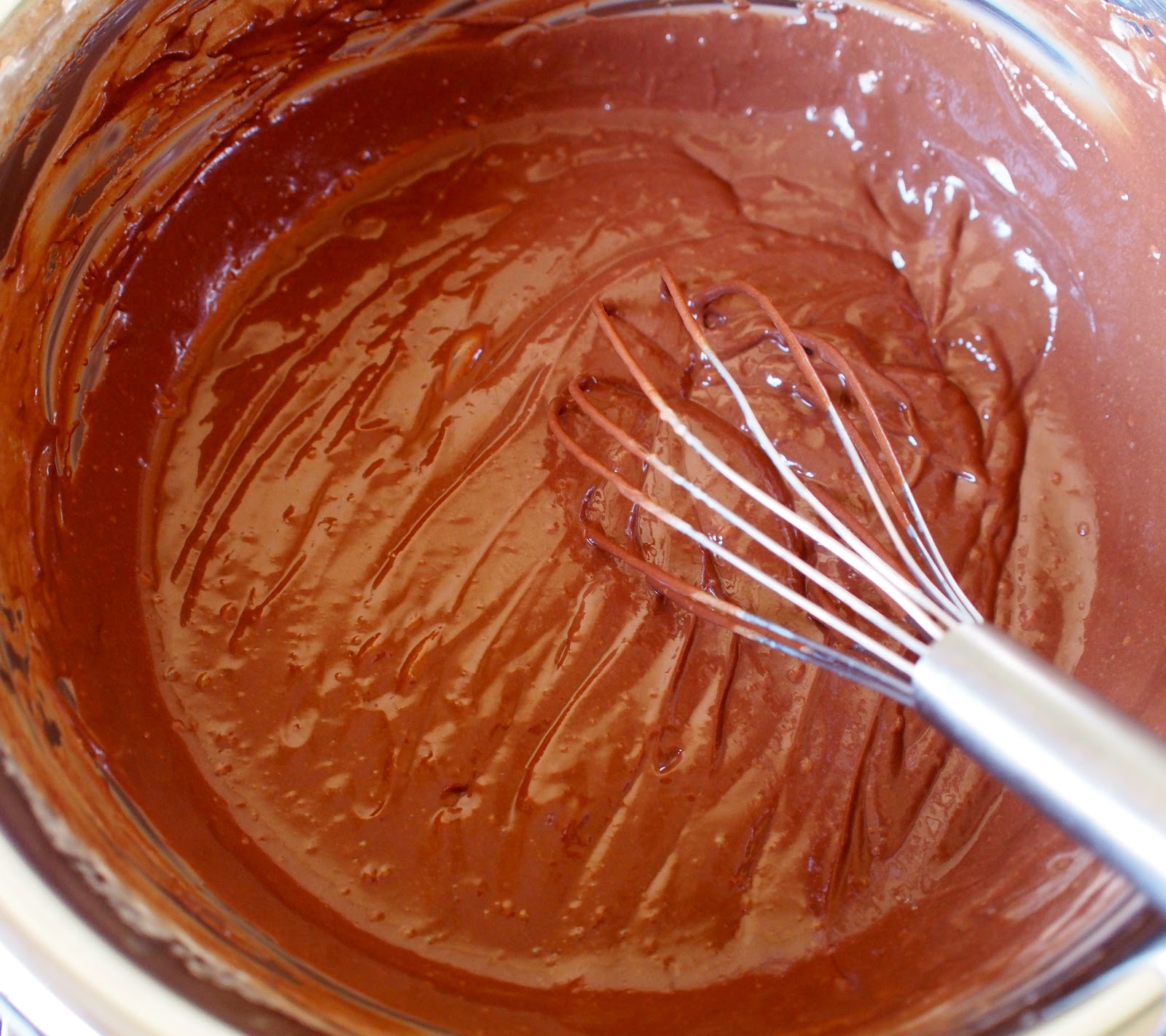
It will look like this, leaving ribbons on itself…
Pour in the chocolate delice to fill the mould (I didn’t have a rectangular mould to hand)
Watch your caramel, it’s cool enough when a cocktail stick dragged across its surface leaves an imprinted trail
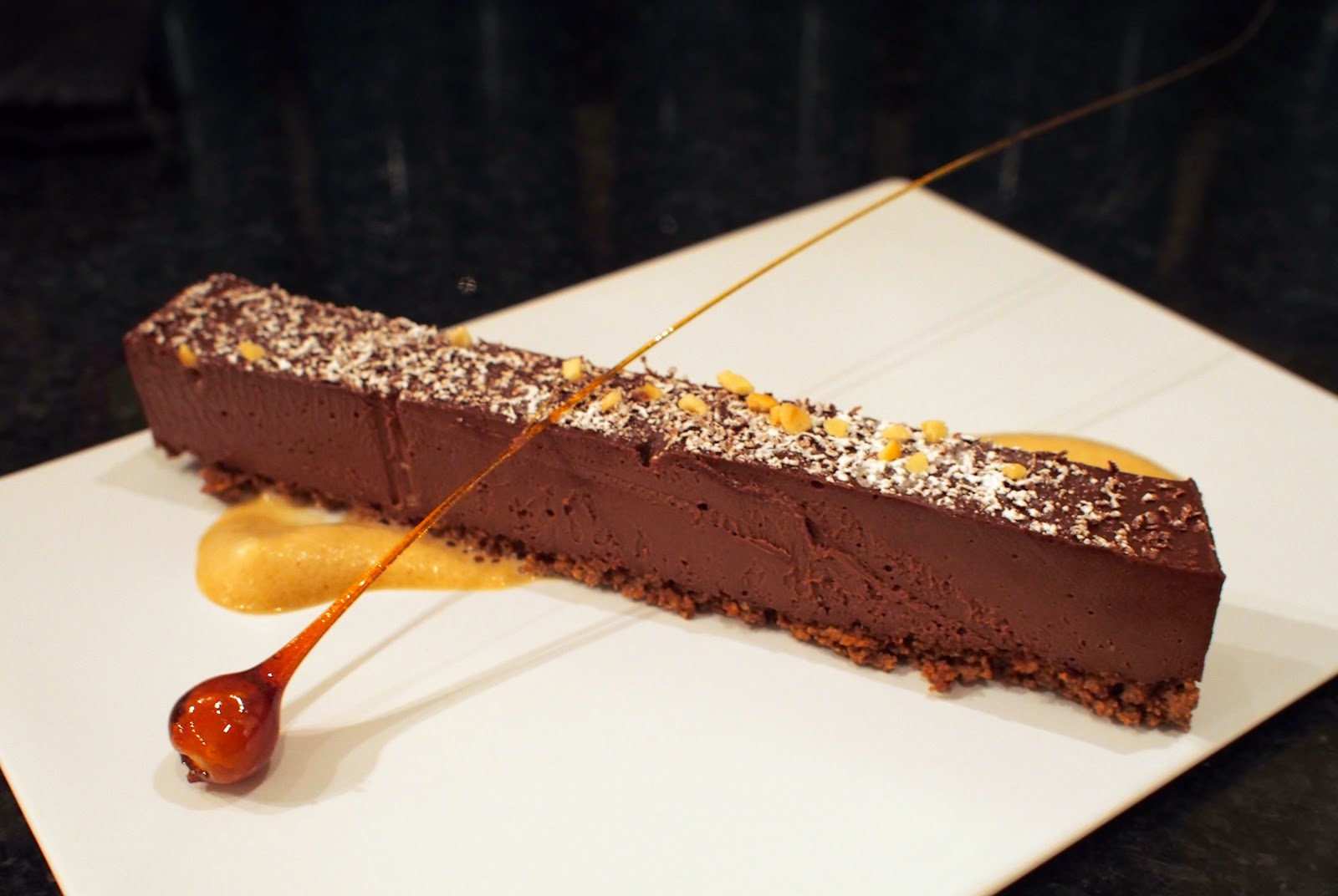
The finished article – a gigantic slice of chocolate delice – I’d recommend a slice about half the size

March 24, 2013 Almond

Almond and Citrus Drizzle Cake

The girls are always asking me for lemon drizzle cake – it seems that the school makes a fabulous one for snack time.  Of course I couldn’t go with a standard version, and wanted to incorporate a couple of different ideas. As well as lemons, I wanted to use blood oranges for a fuller scent load, and a pink icing.  And given my recent obsession with frangipane and nut flours, I also wanted to include a little ground almond into the cake, though I suspect you could probably swap that for polenta too.

Ingredients:
Cake:
300g butter, softened
300g caster sugar
zest of 2 unwaxed lemons
zest of 2 blood oranges
5 eggs
200g self-raising flour
1 tsp bicarbonate of soda
100g ground almonds

Sugar glaze:
juice of 2 unwaxed lemons
juice of 2 blood oranges
100g caster sugar
icing sugar

Method:

  • Pre-heat the oven to 180ºC/160ºC fan. Using a 2lb loaf tin, either grease and line it, or pop-in a liner.  (I made two smaller cakes)
  • Zest all of the citrus fruits, and then juice them.  Keep separately
  • Cream the butter and caster sugar together until light and doubled in volume and pale.  Add half of the zest, then add the eggs, one at a time, and beat thoroughly in between
  • Add the ground almonds, and combine
  • Add the flour, and mix until just combined
  • You want the mixture to have a soft dropping consistency, so if required add a little milk.  This may not be necessary, depending on how dry your almonds are
  • Pour into the tin(s) and bake for 50-55 minutes or so (35-40 minutes for smaller tins).  A toothpick or cake tester should come out clean, although there may be a few (almonds) crumbs stuck to the tester.
  • For the icing, mix together the caster sugar and the juice.  Warm briefly to allow the sugar to dissolve.  
  • Pour the glaze over the top of your cake, piercing it with holes if you want it to saturate the cake
  • Mix the remaining glaze with some icing sugar, to your chosen consistency, and mix in the remaining zest.  Coat or pipe or zigzag as appropriate
  • Allow to cool in the tin before turning out.
Notes:

  • The mixture may look curdled – this is the impact of the zest – don’t worry about it
  • I like to combine the almond before the flour, as you don’t want to overwork the gluten in the flour
  • The bicarbonate of soda reacts with the acid, adding further lift to the batter.  You could use baking powder, but I used this specifically because of the acid reaction
  • I spooned the glaze on top of the cake and allowed it to soak it.  Having thoroughly saturated the cake, I mixed the remaining juice with icing sugar, until reaching a spooning consistency.  This is obviously a lot of sugar, but let’s not forget I’m making this for the kids… Because I used blood orange juice, it was also pink, but that was part of my plan! If you want a more professional teatime finish, you can either use just lemon juice, or pipe it onto the cake in a more zig-zag pattern
The cake batter before baking
Spoon the cooled syrup over the cake, having pierced several holes into it
The finished article, you can see the moisture layer all around the edge of the cake

Yes it’s garish and pink – if you don’t want pink icing, don’t use the blood
orange juice in the icing layer.  You can still use it in the syrup for flavour.

March 19, 2013 Journal

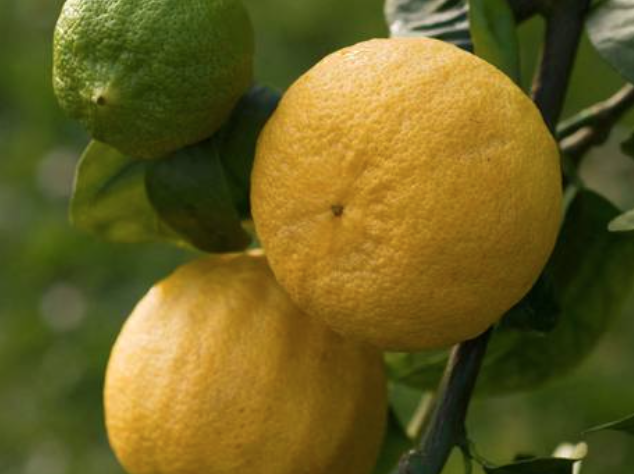
Beautiful bergamots

I’m going to shamelessly copy an article
by Sudi in the Independent, not just
because it’s an interesting piece on the
versatility of bergamot, but also because
I’m mentioned.

The original article can be found here

The fruit is the chefs’ citrus of choice this spring, says Sudi Piggott in the Independent.

We’re playing pass the “orange”, perched on stalls at the counter of James Knappett’s intimate Kitchen Table within his Bubbledogs restaurant, where he creates tasting menus in full view of his guests. Except this is not a variation on the nostalgic adolescent game of transferring oranges under the chin and it is not a conventional citrus.

Knappett likes to challenge his guests with unfamiliar ingredients and new flavours. They inhale appreciatively the heady, familiar yet elusive fragrance of the orange-shaped yellow/green skinned citrus quizzically. This is Catalan bergamot, a sour orange crossbreed, closer to a lemon, and it is better known for giving Earl Grey its distinctive taste, though stealthily it has become the citrus of choice this spring, certainly upstaging the blood orange among chefs and fanatical foodies.

Knappett adds bergamot aromatic rind and acidic (yet sweeter and more delicate and floral than lemon) juice to flavour yoghurt and mixes with charred cucumber, fresh dill and dill oil, then serves it with raw salmon topped with crispy salmon skin. Its citrus element is “softer” than lemon and it is unwaxed and untreated because the skin is so important, so the flavour is really true and clear. It is an excellent partner to fish. Well in the vanguard, Ashley Palmer-Watts‘s launch menu at Dinner by Heston Blumenthal featured bergamot – and lime-cured mackerel – and Watts is now working on a new dish highlighting bergamot as he can’t get enough of its “beguiling intensity”.

Tweeting about my discovery of the manifest charms of bergamot, I unleashed a swathe of creativity. The Renaissance Girl adds bergamot to Asian-style marinades with soy, ginger and rice wine vinegar and cautions: “It is important to get the balance right as too much can be intoxicating. I tend to use bergamot alongside other citrus to subtly up the citrus quota.” Bergamot juice can also be substituted for vinegar in vinaigrettes for a perfumed tartness.

Persian cookery writer and private chef Sabrina Ghayour explains bergamot is an essential ingredient in Persian cuisine, “as we Persians love all things sour and bitter”. She’s been experimenting with honey-soaked bergamot flesh with pork fillet or chicken, candied bergamot in exotic salads and even adding bergamot zest to madeleines. Bergamot is likely to feature in her Norooz Persian New Year dinner (celebrated on the first day of spring) on 22 March at Peyton and Byrne at The National Gallery, in both savoury guises and preserves served with petits fours.

Private chef Bruno Breillet adds bergamot zest to meringues and finds it lifts marmalade to another level (rinse the rind before use to tame its tartness). Bergamot and mint make for a refreshing sorbet at London’s hottest restaurant Dabbous, a sure sign that it is the citrus of the moment. Ollie Dabbous advises to use the zest more like a spice alongside lemon juice to subtly up the zing. Bergamot even features as one of the icing flavours on the old-fashioned doughnut menu at The Electric, says Soho House executive chef Jake Rigby-Wilson: “The bergamot’s vibrant, distinctive aroma is transforming and confounds expectations, which makes it such a pleasure to use.”

Patricia Michelson of La Fromagerie, one of the few retail stockists of bergamot, recommends making bergamot syrup to add to prosecco or sparkling water. She also makes a variation with warm spices of cinnamon, cardamom, vanilla, star anise and chilli to glaze lemon (and bergamot) polenta cake. Michelson even likes to use slices of bergamot in Earl Grey and single- estate Ceylon teas, besides infusions such as Verbena and Chamomile.

I’m intrigued to discover that, historically, Calabrians favoured bergamot as a fruit known to have a beneficial effect in promoting cardiovascular health. It has an exceptional content of citrus polyphenols, which also give the fruit its bitterness. Recent Italian medical research reaffirms that bergamot capsules of extract and pulp may be helpful in inhibiting cholesterol biosynthesis with a natural statin-like effect in reducing bad and raising good cholesterol and lowering blood sugars.

Though for a more immediate lift bergamot is, according to Nick Strangeway, consultant to Mark’s Bar, the distinctly nuanced flavour of the moment for cocktails: he recommends steeping the zest in high-proof alcohol to make bergamot bitters, infusing it in vodka or gin or simply using the juice to make a Sidecar or Julep of extraordinary intensity and claims a Martini is incomplete without a twist of bergamot. Will James Bond insist on the enigmatic bergamot in his next movie?

Bergamots are available from natoora.co.uk, wholefoods.co.uk, solstice.co.uk, lafromagerie.co.uk Other exotic citrus by special request only fromnatoora.co.uk.

Bergamot sorbet

Serves: 4-6 people

The refreshing, fragrant flavour of bergamot makes the perfect palette cleanser so try this sorbet at the end of a rich meal.

Ingredients

4 Natoora unwaxed bergamots, juiced and zested
150g caster sugar
2 egg whites
300ml water

Dissolve the sugar in the water over a low heat, before gently bringing to the boil for a couple of minutes. Remove from the heat and add the bergamot zest, cover and leave to infuse for half an hour.

Add the bergamot juice to the sugar syrup, then strain and place in a shallow container. Freeze for 2 hours until slushy.

Whisk the egg whites until fluffy and mix into the sorbet. The sorbet must be only semi-frozen to be able to do this. Freeze for at least 6 hours. Remove from the freezer 10 minutes before serving.

More exotic citrus fruits to try:

CEDRO

I’d always known cedro as etrog lemon, an essential part of Jewish Sukkot rituals, and was bemused to come across a Yiddish expression for something that has no value as being like “an etrog after Sukkot”. How very misguided. Its elongated lemon shape is awesome – sometimes as large as a melon – with a textured yellowy-green skin. Cedro has an exceptionally large ratio of soft, white, surprisingly sweet pith that can be used with the bitter-sweet, prized rind. In Sicily, where cedros are grown, it is thinly sliced and sprinkled with salt or sugar as a snack with aperitifs (or candied) or combined with fennel in a salad.

DIAMANTE CITRON

Chris Golding at Apero at The Ampersand is another chef who takes great pleasure in using ingredients that are a talking point for guests. He uses diamante citron, sweeter than a conventional lemon and similar to a cedro. He adds its juice besides lemon to cure wild sea bass served with fennel and purple potatoes.

BUDDHA’S HAND

A fragrant citron whose fruit is segmented into finger-like sections. The origin of Buddha’s hand is north-eastern India and China though it is now grown in California. It has no juice and is mainly valued for its zest. The inner white pith is not bitter so the fingers can be longitudinally sliced, peel, pith, and all, and used in salads. Not least by Michel Roux Jnr at Le Gavroche in a crab salad with spring onions, roasted hazelnut oil and spicy tomato mousse.

SHATKORA LEMON

Indian citrons identifiable by their large “wings” on the stalk attaching the leaf to the stem, they have smooth yellow rind, dry, greenish-yellow flesh and a very sour, bitter juice. At Trishna, segments of Shaktora lemon are added to give extra verve to a masala chicken curry.

LIMEQUAT

Tiny round citrus related to both kumquat and lime. Look for the more yellow-skinned limequat as its intense sourness and tartness is more mellow. Use sparingly in dressings and desserts. Sometimes seen in larger branches of Sainsbury’s.

FINGER LIME

The ultimate, decadent citrus burst, often called lime caviar as the interior pulp has a caviar-like appearance and pops and bursts on the roof of the mouth, exploding with vivid lime flavour. Wonderful as a seafood garnish and relatively less expensive than caviar though still a huge treat. Available from efoodies.co.uk

March 18, 2013 Baking

Caraway Blini

I happened to have some smoked salmon which needed using up – you know, like you do – and I wanted a new blini recipe.  The problem with blini is that by about the third, you’re feeling their leaden grip in your stomach.  They stop being a vehicle for the topping and become a hindrance.  I’d had my eye on Felicity Cloake’s recipe for a while now, as it’s a variation on Richard Bertinet’s, and I think we all know I love Richard’s gallic charm (and his excellent online baking shop).

Felicity trialled a number of batters, and gives her verdict – go have a look – it’s an interesting article and it may well be that the beer batter she mentions appeals more to you…
I liked this one because of the inclusion of the egg whites, which I thought would add an airy lightness to the batter, and it does.  Felicity also includes caraway seeds: I’m a definite fan – there are a few recipes on here which include caraway.  The batter does take a little longer to make than some variations, but the steps really do require the minimum of work, so it’s really not onerous!
Ingredients:
150ml milk
70g buckwheat flour
70g strong white flour
1 tsp salt
2 tsp caraway seeds
2 free-range eggs, separated
4g dried yeast
100g sour cream
25g butter
Makes about 35

Method:
  • Heat the milk in a small pan until it just boils. While it heats, put the flours, the salt and the caraway seeds in a large bowl and separate the eggs.
  • When the milk begins to boil, take it off the heat and stir in the yeast, followed by the egg yolks and the sour cream – you’ll need to stir vigorously with each addition.
  • Pour the contents of the pan slowly into the bowl of flour, stirring as you do so. When you have a smooth paste, cover and leave in a warm place for an hour, or until spongy – it won’t rise dramatically, but it should have expanded slightly, and have developed a few bubbles on the surface.
  • Whisk the egg whites to soft peaks and then very gently fold them into the mixture using a rubber spatula or metal spoon. Once thoroughly mixed, cover, and leave for another 2 hours.
  • When ready to cook, melt the butter in a large frying pan over a medium high heat, then add the batter in teaspoonfuls to the pan and cook until bubbles rise to the top, then flip them over and cook for another minute or so on the other side, until golden brown. You’ll probably need to do this in batches, so keep them warm while you cook the rest – these are best hot from the pan.
 
Notes:
  • I only left the second rise for an hour, but it was in a warming drawer.  The results were fine, but when I came back later to tidy up, the remaining batter in the bowl was even lighter and more voluminous.  Do try to leave it for the full rise if you have the time
  • I have a Staub crepe pan, which I should have used, but it’s a heavy beast to dig out late on a Sunday night… These actually worked just as well in a non-stick pan
  • I slightly whisked my egg whites at stage one – stop – they go in at stage two!  They were fine take on from there though…
  • The caraway worked perfectly with the salmon, but it’s not necessary if you don’t like it


  • « Go to Previous Page
  • Go to page 1
  • Interim pages omitted …
  • Go to page 7
  • Go to page 8
  • Go to page 9
  • Go to page 10
  • Go to page 11
  • Interim pages omitted …
  • Go to page 23
  • Go to Next Page »

Primary Sidebar

I’m passionate about food, its provenance and its sustainability. As a technical cook, I like to see what’s happening in the kitchens of Michelin starred restaurants, but you’re just as likely to find me at home making sourdough. You can find some of my recipes in In The Mix 2, an award-winning Thermomix cookbook.

I’m also truly blessed – I can open my fridge at any time and know it’s crammed with all manner of loveliness – but that’s not the case for everyone. There are people all around me in the UK who rely on food banks to feed their kids, and themselves, and every box of cereal or teabag makes a difference. You can donate food to your local food bank, or time, or money, and if you want more information the best starting place is http://www.trusselltrust.org.

You can also find me here:

Foodies100 Index of UK Food BlogsFoodies100
The Renaissance Epicurean... London restaurants
Top Food BlogsUK Food Bloggers Association

The Eleven Madison Park Granola

Copyright © 2026 · Cookd Pro Theme On Genesis Framework · WordPress · Log in

Nourished
  • Home
  • Recipes
  • Book Reviews
  • Restaurants
  • Journal
  • About