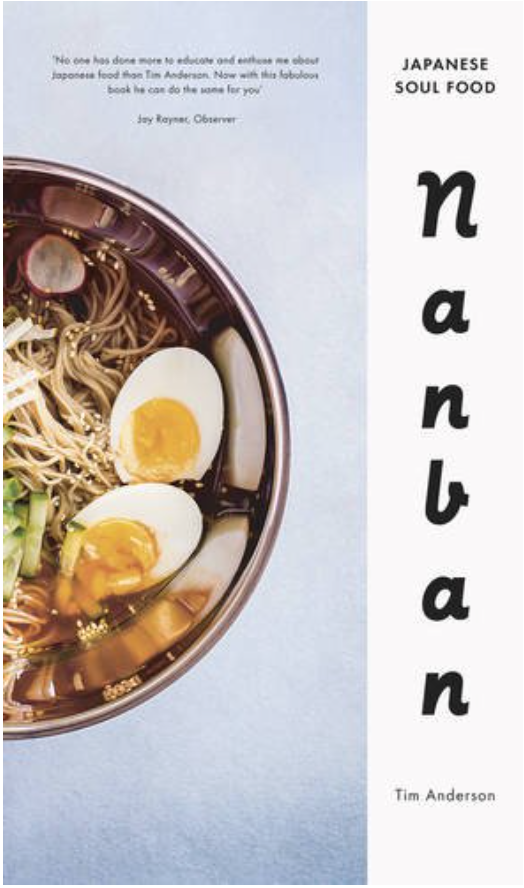
 Focusing on a subset of Japanese cuisine, Tim has delivered a detailed, authentic and accessible guide to ramen, and the dishes found intheizakaya (Japanese bar). The context of eachdishis explained,andregionality explored – variations and Britishsubstitutionsare listed where possible. Being bar food, there’s also a recommendation for which drinks to have with particular dishes – perfect! The food photography (courtesy of Mr Winch-Furness)isunfussy and appealing, and the openspineis laminated, a nice and unusual touch. Therecipesare broken down as follows:Introduction | IngredientsFundamentals: including kimchi; braised kombu; ume-shiso cucumber; dashi; vegetarian dashi; how to cook Japanese rice
Small Dishes: baked sweet potato with yuzu butter; karashi mentaiko (chili cured pollock roe); mackerel kake-ae (vinegar cured mackerel); onsen tamago (hot spring eggs); buta kakuni manjū (pork belly buns); tonpi (Okinawa-style pork scratchings); gyozo (prawn, pork, vegetable); kara-age (Japanese fried chicken); Satsuma-age (fried fishcakes); mackerel scotch egg, obi-ten style; nadōfu (tofu set with vegetables); hitomoji guru-quru (spring onion bundles); karashi renkon (lotus root stuffed with hot mustard); basashi (horse sashimi); hiyajiru (shilled miso soup); tonjiru (pulled pork miso soup); kanimeshi (crab rice)
Large Dishes: mentaiko pasta; gōyā champloo (bitter melon, tofu and spam stir-fry); yaki-curry (curry rice gratin); sara udon (crispy noodles with vegetables and seafood); yaki-udon (stir-fried udon noodles); tempura; toriten (chicken tempura); chicken nanban (fried marinated chicken with vinegar sauce and tartar sauce); tonkotsu (sweet pork rib stew); nanban-zuke (Japanese escabeche); mizutaki (chicken hotpot); motsu nabe (offal hotpot); tonkatsu (pork schnitzel); simmered sole; taco rice; rice yaki (fried rice and cabbage pancake); Sasebo burger
Grilled Items: kushiyaki (stuff on a stick ;0); pork belly; bacon-wrapped scallops; bacon-wrapped, cheese-stuffed padron peppers; bacon-wrapped vegetables; beef with hot mustard; chicken livers with umboshi; tsukune (chicken patties); chicken skin; buttered garlic; mushrooms with spicy miso butter; iwashi mentai (fish, stuffed with fish eggs); Miyazaki-style grilled chicken; yaki-onigiri (grilled rice balls)
Ramen: broth; tonkotsu broth (pork bone); torigara broth (chicken bone); gyokai broth (seafood); broth seasoning: alkaline noodles; toppings; tea-pickled eggs; chāsu (cola-braised pork belly); namool (spicy bean sprouts); takana-zuke (spicy pickled mustard greens); flavour bombs; yuzu-koshō pork fat; shiitake seaweed butter; spicy miso butter; complete ramen recipes – hiakata-style ramen (pork broth ramen); Kurume-style ramen (rich and rustic pork broth ramen); kumamoto-style ramen (pork broth ramen with fried garlic); Nagasaki-style chanson (seafood, chicken and pork broth with stir-fried seafood); Kagoshima-style ramen (lighter pork broth ramen with extra pork); Miyazaki-style ramen (chicken, port and soy sauce ramen); sōki soba (Okinowan pork rib ramen with a light dash-pork broth); Grand Champion ramen (porcini and tonkatsu broth with truffled lobster gyoza); hunter ramen; reimen (Korean-style chilled ramen); hiyashi chūka (ramen salad)
Desserts: Nagasaki castella; sātā andagī (Okinawan doughnuts); kuromitsu (black sugar syrup); mojiko roll cake; strawberry daifuku (strawberry and red bean paste mochi dumplings); matcha marubōlo; matcha buttercream; Whippy-san (Japanese Mr Whippy); Whippy-san base; sweet-potato Whippy-san; shichimi chocolate Whippy-san; miso caramel Whippy-san; hōjicha Whippy-san; white peach Whippy-san; kinako Whippy-san (soybean flour Mr Whippy)
Drinks: beer; shochu; tea; sake; awamori; whisky; wine; liqueurs; cocktails; nanhattan; miyazaki mai tai; sakurajima sunrise; kyushu libre; Go! Go! Gimlet; Satsuma sour; chu-hi; white peach cordial; grapefruit and honey cordial; apple cinnamon cordial; rhubarb and custard cordial
Useful Information: how to eat in Japan; suppliers
Like Tim, I’ve been an obsessed Japanophile for a long, long time! My childhood was filled with books on the dynastic influences on porcelain production <yup, geek=”” alert=””>, Shogun in the early ’80’s, and lots of representations on film and TV – it’s been a drum to which I’ve long marched. I’ve pored over the descriptions of the Tokyo fish market, and watched ‘Jiro Dreams of Sushi’ – I’ve even worked for a Japanese bank! And yet, in terms of Japanese food culture, my influences have been very firmly embedded in more formal dishes, and especially in sashimi and sushi.
And whilst I do pore over (or should that be paw over?) each new post on the Ramen Adventures blog, ramen remains entrenched in that ‘other’ world. Indeed, when it comes to cookbooks, I’ve bought lots focusing on that fine-dining, sashimi / sushi end of the market* for the last two decades…
As my first foray into Ramen cookbooks, Tim’s detailing of the regional variations, difference in ingredients, and descriptions of what the dishes mean to him, has successfully lured me into that ‘other’. It definitely makes me want to make Ramen myself, to play with the complexities, and to immerse myself in the regional variations of Japanese cuisine. It’s a fascinating book, but much more importantly, it’s a book that makes me want to eat the dishes!
* Most of these are great, though few contain any ramen recipes!
– Japanese Food and Cooking: rice; noodles; vegetables; beans; tofu; mushrooms; seaweeds; herbs; fruit; shellfish; fish; fish roe; fish paste; meat & chicken; sauces; vinegar & mirin; pickles; bread & buns; cakes & sweets; tea
– Japanese Cooking: A Simple Art: a strong ingredients and techniques section, followed by soups; sashimi; grilled & pan-fried dishes; simmered; deep-fried dishes; salads; one-pot dishes; rice dishes; sushi; noodles; sweets
– Japanese Farm Food: the Japanese farmhouse kitchen; small bites with drinks; pickles and soups; soya beans and eggs; noodles and rice; vegetables; fish and seafood; meat; dressings and sauces; desserts and sweets
– Nobu the Cookbook: ingredients; shellfish; shrimp, lobster, crab; octopus and squid; fish; salads, vegetables and soba; sushi; sauces; desserts
– Nobu West: cold and hot appetisers; salads; sashimi; soup; fry; bake; steam; sauté; grill; rice, sushi and noodles; desserts; cocktails; sauces
– Nobu Now: appetisers; sashimi; salad; soup; fry; steam; sauté; grill; sushi; soba; rice; dessert; sauce
– Nobu Miami: finger foods; luncheons; intimate dinners; Nobu classics; desserts (essentially a party book)
– Nobu Vegetarian
– Sushi and Beyond: a great travel diary, as Michael Booth travels the length and breadth of Japan with his family
– Tetsuya: (no formal contents, but) cold starters (incl. shellfish and fish); salads; pasta; soba; cooked fish, meat and poultry; desserts and basics
– The Japanese Kitchen: rice & beans; noodles; vegetables; mushrooms; tofu and tofu products; seaweed; fish & shellfish; fish roe & pastes; meat & poultry; sauces & seasonings; drinks & confectionary
– Japanese Kitchen Knives: a great break down of knives, and how to use them to fillet fish, prepare vegetables etc
– Everyday Harumi: sauces; beef; chicken; pork; fish; shellfish; rice; noodles; eggs; tofu; miso; ginger; sesame; watercress; spinach; cucumber; asparagus; aubergine; tomato; potato; carrots; cauliflower; cabbage; mixed vegetables
– Harumi’s Japanese Cooking: appetisers and entrées; soup and noodles; rice; tofu; seafood; chicken & egg; beef & pork; sushi, vegetables; desserts
– Hashi: basics; beginners; home cooks; gourmet dishes; sushi; dessert (those then broken into soups and starters; salads and side dishes; fish and seafood; meat and poultry; rice and noodles; tofu)
– Dashi and Umami: as it suggests, focuses on dashi
– Morimoto: sashimi and sushi; rice, noodles, bread and soups; fish and shellfish; poultry and meat; vegetables, tofu, egg; desserts
– YO! Sushi: the basics; sauces, dressings and marinades; novice; apprentice; samurai (possible the closest comparison)